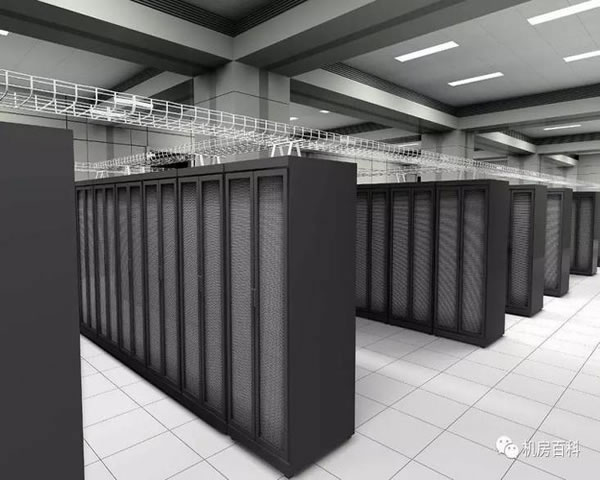
in daily operation and maintenance, it is particularly important to establish a set of repeatable and traceable troubleshooting specifications for common failures and processing procedures of zji hong kong server. based on years of experience in station cluster operation and maintenance, this article systematically sorts out the diagnostic points and standardized processing procedures for six typical fault types: network connectivity, host hardware, system resources, disk files, service processes and security anomalies, to help operation and maintenance personnel quickly locate, restore and optimize station cluster stability and response capabilities.
common hardware and network failures
hardware and network are the most common areas where server problems occur, manifested as link interruptions, network card errors, packet loss, or physical hard disk smart abnormalities. the troubleshooting process first checks links and switch ports, checks fiber or line status, and then confirms packet loss and delay through ping/traceroute and network card statistics. if necessary, check computer room alarms and service provider notifications, and quickly switch backup links or replace faulty equipment to restore connectivity.
system resource and performance bottleneck diagnosis
when the site group is large-scale, cpu, memory, io and network bandwidth can easily become bottlenecks. for diagnosis, priority should be given to collecting indicators such as top, iostat, vmstat, netstat, etc., and combining service logs and slow queries to analyze hot processes or requests; when encountering resource contention, current limiting, offloading, or horizontal expansion can be performed, and alarm thresholds and resource pool planning should be adjusted based on monitoring trends to ensure long-term availability.
disk and file system troubleshooting process
disk failures include running out of space, running out of inodes, file system corruption, or raid degradation. the processing process first implements read-only or write-only restrictions to avoid proliferation, uses df, du, and lsof to locate occupancy, and uses fsck to check the file system health. prioritize cold backups or snapshots of important data, take the faulty disk offline and replace it if necessary, and then perform complete verification and recovery verification during off-peak periods.
service interruption and process exception troubleshooting
service interruptions often manifest as process crashes, port unreachability, or thread saturation. when troubleshooting, check systemd/cron/nginx/apache and other logs, core files, and stack information, and combine application logs to identify the causes of abnormal requests or resource exhaustion. grayscale restart, process isolation or rollback configuration can be used to quickly recover, followed by root cause analysis and automated recovery scripts.
security incident and access anomaly response
when encountering abnormal access or security incidents, the first step is to isolate and restrict traffic, and retain logs and packet capture evidence for traceability. check the firewall, waf, login records, processes and permission changes, evaluate whether it is brute force cracking, ddos or backdoor implantation, notify relevant parties according to the incident response process and complete patches, configuration hardening and permission minimization to prevent recurrence.
backup and recovery strategy essentials
effective backup and recovery strategies are key to reducing site group risks. use multi-layer backup (snapshot, incremental, off-site) and regularly practice the recovery process to ensure backup integrity and availability. implement automated backup and consistency verification of key configurations and databases, set rto/rpo goals and include inspection items in daily operation and maintenance to ensure that business can be quickly restored when a failure occurs.
summary and suggestions
in view of the common faults and processing procedures of zji hong kong station group servers, standardization, traceability and automation should be the core, and the impact of faults should be reduced by improving monitoring and alarming, standardized troubleshooting steps, regular drills for backup and recovery, and security reinforcement. continuously accumulating operation and maintenance experience and documenting the processing process can significantly improve the team's response speed and the stability of the site group.
- Latest articles
- Webmasters Must-see Malaysia Vps Cn2 Gia To Quickly Build A Website And Node Monitoring Solution
- Which Industries Are Vietnam Vps Independent Servers Suitable For And A Summary Of Selection Considerations?
- Technical White Paper: Cambodia Cn2 Network Architecture And Future Upgrade Direction Discussion
- Home Network Optimization Guide Routing Settings Suggestions For Which Server Ps5 Malaysia Belongs To
- Comparative Evaluation Of Malaysia Vps Cn2 Gia Domestic Cross-border Acceleration Effect And Delay Analysis
- Practical Tips For Optimizing The Performance Of VPS Dedicated Line Singapore In A Multinational Office Scenario
- Evaluate The Access Performance Of Domestic Cn2 Taiwan From The Perspective Of SEO And GEO Optimization And Propose Improvements
- A Must-read For Corporate Decision-makers: How Much Does A Korean Cloud Server Cost? Suggestions On Weighing Against Service Quality Assurance
- Hong Kong Cn2 Lightweight Deployment Process Guide From Purchase To Online
- Enterprise Buying Guide Why Renting A German Server Dedicated Line Is More Reliable Than An Ordinary Line
- Popular tags
-

How To Check The Number Of Hong Kong’s Native Ip Optical Cloud Phone Numbers And Choose The Most Cost-effective Solution
guide: how to query hong kong’s native ip and evaluate the performance and cost of optical cloud phone services, compare cost performance and choose the best solution. contains query tools, performance indicators, billing models and implementation suggestions, suitable for business or technical leaders. -
How Can Enterprises Use Monitoring Platforms To Respond Quickly When Hong Kong Computer Rooms Suffer Major Attacks?
this article introduces how enterprises can use monitoring platforms to achieve rapid response when hong kong computer rooms suffer major attacks, covering real-time monitoring, alarm classification, automated blocking, traffic analysis, disaster recovery drills and compliance points. -

Key Points For Implementing Security And Compliance Requirements As Well As Physical Access Controls In Hong Kong’s HKE Data Centers
This article focuses on the security and compliance requirements for HKE’s data centers in Hong Kong, as well as the key aspects of physical access control. It includes practical recommendations regarding policies, access control and identity verification, monitoring, visitor management, log auditing, and emergency response, suitable for reference by compliance and operations teams.